What To Know If Your Child Needs Dental Crowns
Updated: Oct 6
A dental crown for a child is a tooth-shaped cap placed over a damaged or decayed baby tooth to restore its strength, protect it from further decay, and hold proper spacing for incoming adult teeth. Pediatric dentists recommend crowns when a cavity is too large for a filling, a tooth is cracked or weakened, or an infection requires added protection. Nearly 1 in 4 children develop a cavity before age 5, according to the American Academy of Pediatrics, making crowns one of the most common restorative treatments in pediatric dentistry. The three main types used for children are stainless steel crowns, tooth-colored composite crowns, and zirconia crowns, each varying in durability, appearance, and cost. The procedure typically involves removing the decay, cleaning the tooth, and fitting the crown in a single visit under local anesthesia or mild sedation, depending on the child's age. Crowns are one of the 8 common procedures pediatric dentists perform.

When Children Might Need Dental Crowns
Tooth decay in children is more common than many parents realize. The American Academy of Pediatrics reports that nearly half of kids develop cavities by age 19. Even more surprisingly, about 1 in 4 children get a cavity before turning 5. Early detection and treatment can help prevent further complications down the road. Whether the cavity is small or large, getting timely treatment matters. Pediatric dentists typically prefer to save a child's natural tooth whenever possible. Preserving the tooth supports proper spacing and healthy development of adult teeth. That is why dental crowns are a trusted and effective solution for young patients. Here are four common reasons a child may need a dental crown:
The cavity is too large for a standard filling to hold properly.
The tooth has become infected and needs added protection.
The tooth is cracked or broken from injury or wear.
The tooth has become too weak to function on its own.
No matter the reason, the treatment process generally follows the same steps. The dentist first removes the decay and cleans the affected tooth thoroughly. Then, a crown is placed over the tooth like a protective cap. This helps restore strength to teeth that are cracked or broken. Dental crowns also work to stop decay from spreading to surrounding teeth. This added layer of protection gives your child's smile the best chance to stay healthy.
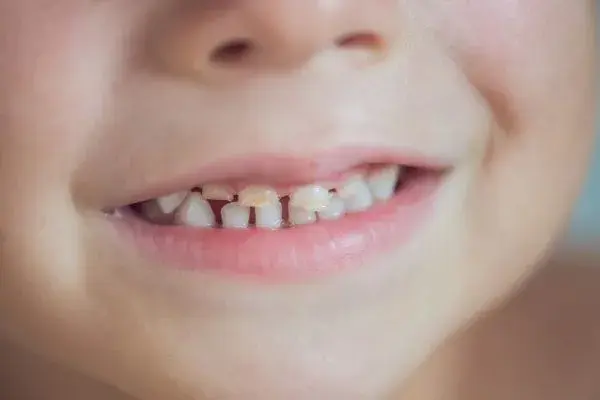
Key Factors When Your Child May Need a Dental Crown
Your pediatric dentist will guide you toward the right treatment plan. However, you should understand a few important decisions beforehand. Knowing your options helps you feel confident about your child's care.
Appearance and Cost of Dental Crowns
The American Academy of Pediatric Dentistry identifies three types of dental crowns for children. Your dentist will recommend the best fit based on your child's tooth. Each type offers unique benefits and drawbacks depending on the situation. Consider these options carefully before making a final choice.
Stainless steel crowns. These preformed metal crowns are known for durability and longevity. The American Academy of Pediatric Dentistry supports their effectiveness. They also do a better job of blocking harmful bacteria. However, they have a noticeable silver or metallic appearance.
Tooth-colored crowns. These are crafted from plastic-like composite materials. Dentists often suggest them for front teeth and canines. They blend naturally with your child's smile. They may not last as long as stainless steel options. They also tend to cost more.
Zirconia crowns. These closely match your child's natural tooth color. They provide full coverage over the entire tooth. Dentists typically use them when more tooth reduction is needed.
How Your Child's Age Plays a Role
Children in grade school are often already losing baby teeth. In those cases, dental crowns may not need to last for years. For adults, a crown should last 10 to 20 years. For kids, a crown simply holds the baby tooth in place. It stays until the tooth falls out on its own. Age is an important factor that your dentist will always consider.
Why a Pediatric Dentist's Opinion Matters
Consulting a pediatric dentist can help plan the best approach for dental crowns. They evaluate how braces might affect the crown choice. They also assess any spacing needs your child may have. Saving the tooth is a team effort between your dentist and orthodontist. This combined evaluation ensures the best long-term outcome for your child's smile.
Anesthesia for Your Child's Dental Crown Procedure
Keeping children safe and comfortable is the top priority during any dental crown placement. The type of anesthesia chosen often depends on your child's age and behavior.
Younger children may struggle to remain still throughout the procedure. In these cases, general anesthesia might be the recommended option. This ensures the child stays completely relaxed and unaware during treatment. Older children may only require mild sedation to stay calm. These medications help them feel drowsy without losing consciousness entirely. Your dentist will determine the best approach based on your child's specific needs.
Always ask your dentist which sedation method will be used for dental crowns. Find out who else will be present in the treatment room. It is important to feel informed and confident before the procedure begins. If deep sedation or general anesthesia is necessary, an independent observer must attend. This person may be a certified nurse anesthetist or a dentist anesthesiologist. Their role is to monitor your child's safety while the dentist focuses on treatment. Having a dedicated professional watch over your child adds an extra layer of protection.
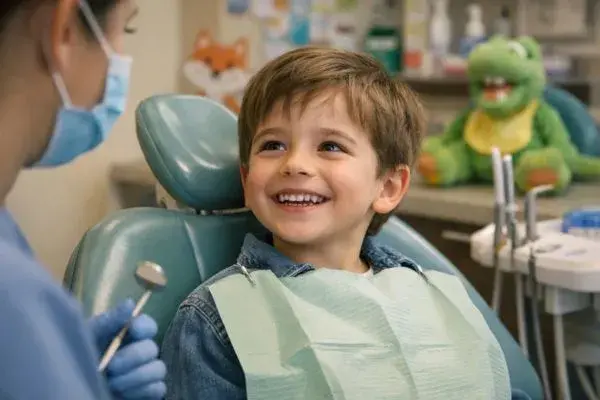
Choosing the Right Dentist for Your Child
Children under 8 may benefit from visiting a pediatric dentist for this procedure. Pediatric dental offices are designed to feel welcoming and fun for kids. This kid-friendly environment helps reduce anxiety during treatments like dental crowns. Pediatric dentists also have specialized training in working with young patients. Their experience allows them to comfort and reassure children throughout the process. This extra level of care can make a big difference in how kids feel about dental visits.
A good dental experience early on builds lasting confidence in children. Even routine procedures like fillings or dental crowns can shape future attitudes. Kids who feel safe and supported are less likely to develop dental fear. This means they will continue seeking care as they grow older. Building trust with a dentist during childhood sets the foundation for lifelong oral health habits. Every positive visit encourages children to view dental care as normal and manageable.
Protecting Baby Teeth for a Healthier Future
Dental crowns help preserve baby teeth until they are ready to fall out naturally. Healthy baby teeth guide permanent teeth into their correct positions. Protecting these teeth supports better alignment and stronger oral development overall. When baby teeth stay healthy, children also experience fewer complications with their adult teeth. This preventive approach promotes better overall health and well-being for growing kids.
Conclusion
Taking action early when your child needs a dental crown can prevent more serious oral health problems down the road. Whether your pediatric dentist recommends a stainless steel, composite, or zirconia crown, each option serves the same core purpose: protecting your child's damaged tooth and maintaining proper spacing for incoming adult teeth. Talk openly with your dentist about crown type, sedation options, and whether an orthodontist should weigh in. Remember that baby teeth play a critical role in guiding permanent teeth into alignment, so preserving them matters more than many parents expect. Schedule regular dental checkups, address cavities promptly, and choose a pediatric dentist who makes your child feel comfortable and safe. The steps you take now to protect your child's smile will support their oral health well into adulthood.
FAQs
How long does a dental crown last on a baby tooth?
A dental crown on a baby tooth only needs to last until that tooth falls out naturally. Unlike adult crowns, which are designed to last 10 to 20 years, pediatric crowns simply hold and protect the tooth until the permanent tooth is ready to come in.
Is getting a dental crown painful for my child?
No. Dentists use local anesthesia, mild sedation, or general anesthesia depending on your child's age and comfort level. Your pediatric dentist will recommend the safest and most appropriate option to keep your child relaxed and pain-free throughout the procedure.
Are stainless steel crowns safe for children?
Yes. The American Academy of Pediatric Dentistry supports the use of stainless steel crowns for children. They are highly durable, effective at blocking bacteria, and have a long track record of safe use in pediatric dentistry.
Can my child eat normally after getting a dental crown?
Most children can return to eating soft foods shortly after the procedure. Your dentist will provide specific aftercare instructions, but generally, children should avoid sticky or very hard foods for the first 24 hours to allow the crown to set properly.
What happens if a baby tooth with a crown falls out early?
If a crowned baby tooth is lost prematurely, your dentist may recommend a space maintainer to hold the gap open for the incoming permanent tooth. Contact your pediatric dentist promptly so they can evaluate whether intervention is needed to prevent spacing or alignment issues.


Comments