How Often Should Kids Get Fluoride Treatments In 2026?
Updated: Oct 6
Most kids need professional fluoride treatments two to four times a year, starting when their first tooth breaks through the gums. That's the short answer. The longer answer depends on your child's cavity risk, your local water supply, and whether they're keeping up with brushing at home.
Fluoride treatments for kids are one of the cheapest and most effective ways to prevent cavities. A single fluoride varnish appointment takes about two minutes, costs $20–$50 without insurance, and can cut cavity rates by roughly 37% compared to brushing with fluoride toothpaste alone. That's a trade-off I'll take every time, especially when the alternative (sedation dentistry to treat untreated decay) can run $1,000–$5,000 per case.
This article won't get into the fluoride-is-poison debate. If that's what you're after, this isn't the page for you. What we will cover is how often your child actually needs these treatments, what types exist, and what the 2025 FDA rule change means for your family.

How Often Do Kids Need In-Office Fluoride Treatments?
The American Academy of Pediatrics recommends fluoride varnish two to four times per year for all children until age 5. After that, the schedule becomes risk-based.
Here's what that looks like in practice. The AAPD's 2025–2026 Reference Manual says children at elevated cavity risk should get professional fluoride at least every six months, and high-risk kids should come in every three to six months. Low-risk children in areas with well-fluoridated water may not need professional treatments beyond what they get during a routine cleaning and exam.
That last point is where most articles on this topic get it wrong. They tell every parent "every six months, no exceptions." But blanket advice ignores the whole point of a caries risk assessment. A five-year-old in a Colorado community with optimally fluoridated water, no history of cavities, and solid brushing habits doesn't need the same schedule as a three-year-old with two fillings who drinks mostly bottled water.
Your pediatric dentist should be running a risk assessment at every visit and adjusting the frequency accordingly. If yours isn't doing that, it's worth asking why.
What raises your child's cavity risk?
History of previous cavities or early childhood tooth decay
Drinking non-fluoridated or low-fluoride water (below 0.3 ppm)
Inconsistent brushing, especially at bedtime
Frequent snacking on sugary or starchy foods
Visible white spots on teeth (early demineralization)
If two or more of those apply, your child probably needs fluoride varnish three to four times a year.

Where Does Your Child Get Fluoride Every Day?
Professional treatments are one piece. Your child also gets fluoride from daily sources that work together with in-office visits.
Does Fluoridated Tap Water Really Help?
Yes, and it's one of the most underrated forms of prevention. The ADA reports that community water fluoridation at the recommended 0.7 ppm reduces cavities by about 25%. The CDC has called it one of the ten great public health achievements of the 20th century, and that designation still holds.
But here's the catch. Only about 73% of Americans on public water systems receive fluoridated water. If your family uses well water or primarily drinks bottled water, your child misses this layer of protection entirely. You can check your local water fluoride level through your utility's annual report or by requesting a test.
How Much Fluoride Toothpaste Should Kids Use?
Start brushing with fluoride toothpaste the day the first tooth appears. Use a rice-grain-sized smear until age 3, then move to a pea-sized amount from ages 3 to 6. That's the AAPD's recommendation, and it hasn't changed.
Supervise brushing closely. Kids under six don't have the coordination to brush well on their own, and they tend to swallow toothpaste. Too much ingested fluoride during tooth development can cause fluorosis (white spots on adult teeth). The risk is real but preventable with proper preventive habits at home.
Why Is Professional Fluoride Varnish Different?
Concentration. Over-the-counter toothpaste contains about 1,000–1,500 ppm of fluoride. Professional varnish contains 22,600 ppm. That's roughly 15 times stronger, applied directly to the enamel and left to absorb over several hours.
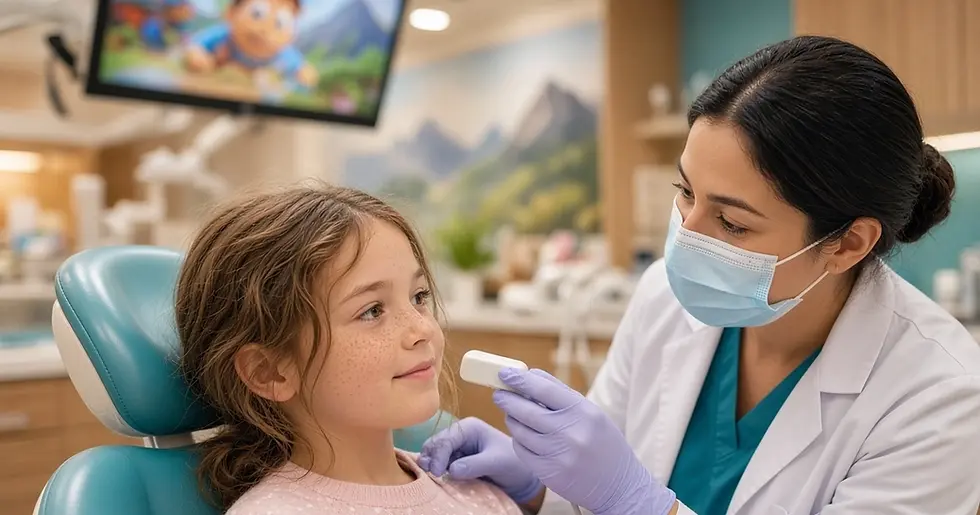
Varnish is the preferred method for children under six because it sets on contact with saliva, which means very little gets swallowed. A pediatric dentist paints it in under two minutes, and you brush it off at home 4–12 hours later. No trays, no gagging, no discomfort. Most kids barely notice it.
And the data backs it up. Only about 45.7% of U.S. children received any fluoride treatment in 2022, according to the National Survey of Children's Health. That's less than half. The kids who skip it tend to show up later with problems that cost ten to twenty times more to fix.

What Changed With Fluoride Rules in 2025?
On October 31, 2025, the FDA issued enforcement actions restricting unapproved ingestible fluoride supplements (drops and tablets) for children under 3 and those not at high cavity risk. Both the ADA and AAPD responded immediately, affirming that topical fluoride treatments (varnish, gel, toothpaste) remain safe and fully endorsed.
If your child currently takes fluoride drops or tablets, talk to your pediatric dentist about whether they still qualify under the updated guidelines. For most families, this change doesn't affect in-office treatments at all. It only applies to the systemic supplements some kids take at home.
Book Your Child's Next Fluoride Treatment
Waiting on fluoride treatments is a gamble that rarely pays off. A $30 varnish appointment today can prevent a $3,000 problem next year. At Mini Miners Pediatric Dentistry, we run a caries risk assessment at every visit and build a fluoride schedule around your child's actual needs, not a one-size-fits-all checklist. If your little one is due for a checkup or you want to talk through their fluoride plan, reach out to our team to get on the schedule.
Frequently Asked Questions
How often do kids need fluoride treatments if they drink fluoridated water?
Even with optimally fluoridated water (0.7 ppm), the AAP recommends professional fluoride varnish at least every six months for children under 5. Low-risk kids in fluoridated areas may need fewer treatments after age 5, but a caries risk assessment should guide that decision. About 25% of cavities are still prevented by water fluoridation alone, so professional treatments add a second layer on top of that.
Is fluoride varnish safe for toddlers and babies?
Yes. The AAP recommends starting fluoride varnish as soon as the first tooth appears, typically around six months of age. Varnish sets on contact with saliva, which means almost none is swallowed. The 2025 FDA enforcement action targeted ingestible fluoride supplements, not topical varnish. Varnish remains fully endorsed by the ADA, AAP, and AAPD.
How much do fluoride treatments for kids cost without insurance?
A single professional fluoride varnish application runs $20–$50 nationally as of 2026. Most Medicaid plans cover fluoride treatments for children under 5 at no cost, and private insurance denial rates for pediatric fluoride sit below 2%. By comparison, treating untreated cavities under sedation can cost $1,000–$5,000 or more.
What's the difference between fluoride supplements and fluoride varnish?
Fluoride supplements (drops and tablets) are swallowed and work systemically as teeth develop. Fluoride varnish is painted directly onto the enamel at a concentration of 22,600 ppm and works topically. As of October 2025, the FDA restricted unapproved ingestible supplements for children under 3 and low-risk children. Topical varnish is not affected by this change.
Can too much fluoride cause problems for kids?
Yes. Excessive fluoride intake during tooth development (before age 6) can cause dental fluorosis, which shows up as white spots or streaks on permanent teeth. This is why pediatric dentists recommend specific toothpaste amounts (rice-grain under 3, pea-sized from 3–6) and why risk assessments matter. Professional varnish has minimal systemic absorption and is not a fluorosis risk factor, according to the CDC.
How do I know if my child is high-risk and needs more frequent fluoride?
Your pediatric dentist evaluates several factors: history of cavities, diet, brushing consistency, local water fluoride levels, and visible signs of demineralization (white spots). Children who score high-risk typically benefit from fluoride varnish every three to four months rather than every six. The AAPD recommends this risk-based approach in their 2025 clinical guidelines.
Did the FDA change fluoride rules for children in 2025?
Yes. On October 31, 2025, the FDA restricted unapproved ingestible fluoride supplements for children under 3 and for children not at high cavity risk. The ADA and AAPD both issued statements supporting the continued use of topical fluoride (varnish, gel, toothpaste). If your child takes fluoride drops or tablets, ask your pediatric dentist whether the updated guidelines still apply to them.


Comments