How Long Does It Take A Child To Recover From A Tooth Extraction In 2026?
Updated: Oct 6
Most kids bounce back from a baby tooth extraction in 1 to 3 days. Permanent tooth extractions take longer, usually 1 to 2 weeks for full gum healing. But the real answer depends on which tooth came out, how it was removed, and what your child does (or doesn't do) in the first 48 hours.
Child tooth extraction recovery typically takes 1 to 3 days for primary (baby) teeth and up to 2 weeks for permanent teeth, according to the American Academy of Pediatric Dentistry (AAPD). The initial blood clot forms within the first 24 hours, gum tissue begins closing within a week, and full bone remodeling continues for several weeks beneath the surface.
The number one mistake I see parents make is treating a child's extraction recovery like an adult's. It's not the same. Kids heal faster in most cases, but they're also far more likely to bite a numb lip or refuse to follow aftercare instructions. That behavioral piece is what actually drives most post-extraction calls to the dentist.
This article won't cover wisdom tooth removal (that's a separate topic for older teens). We're focused on the extractions most children face between ages 4 and 12, whether for severe decay, crowding, or orthodontic prep.

What Happens Right After a Child's Tooth Extraction?
Your child's mouth will be numb for roughly 2 to 4 hours after the procedure (AAPD, 2025–2026 Reference Manual). This is the window where most problems happen.
Kids don't process numbness the way adults do. They bite their lips, chew on their tongue, and poke at the socket with their fingers. I've seen more post-extraction calls about bitten lips than about actual surgical complications. Keep a close eye on your child during this window, and give them something to focus on. Screen time earns its keep here.
For bleeding, have your child bite gently on a gauze pad for about 30 minutes. If bleeding continues past an hour, swap in fresh gauze and keep light pressure. Some pink-tinged saliva is normal for up to 24 hours.
Swelling typically peaks around 24 to 48 hours after the procedure. A cold compress on the outside of the cheek (20 minutes on, 20 minutes off) helps during the first day. After 24 hours, the AAPD recommends switching to warm compresses. A low-grade fever up to 100.5°F is common in the first 48 hours. Anything higher warrants a call to your pediatric dentist.

Does Recovery Differ for Baby Teeth vs. Permanent Teeth?
Yes, and this is where most generic advice online falls short.
Baby tooth extractions heal faster because the roots are smaller (and often partially dissolved by the time they're pulled). Most kids feel back to normal in 1 to 2 days, and the gum tissue closes within about a week.
Permanent tooth extractions are different. The roots are larger, the socket is deeper, and full gum healing takes 1 to 2 weeks. These also carry a real risk of dry socket, which is rare with baby teeth but shows up in permanent tooth extractions around days 3 to 5. Dry socket happens when the blood clot dislodges or dissolves too early, leaving bone exposed. It's painful, and it extends recovery significantly.
| Baby Tooth | Permanent Tooth |
Initial comfort | 1–2 days | 3–7 days |
Gum closure | ~1 week | 1–2 weeks |
Dry socket risk | Very rare | Possible (days 3–5) |
Typical cost | $75–$300 | $180–$550+ |
Return to school | 1–2 days | 2–3 days |
Cost data from Forbes Advisor, January 2025. Recovery timelines based on AAPD guidelines (2025–2026 Reference Manual).

What Should Your Child Eat After the Extraction?
Soft, cool foods for the first 24 hours. That's non-negotiable.
Yogurt, applesauce, mashed potatoes, smoothies (no straw), and lukewarm pasta all work well. Avoid anything crunchy, spicy, or hot for at least 48 hours. By day 2 or 3, most children can start adding softer regular foods back in. Let comfort be the guide. If chewing hurts, it's too soon.
The straw rule matters more than parents realize. Suction can pull the blood clot right out of the socket, which is the same mechanism that causes dry socket. Same goes for forceful spitting or aggressive swishing. For kids under 8, you'll probably need to remind them about this more than once.
How Do You Manage Pain After a Child's Tooth Extraction?
Over-the-counter children's ibuprofen or acetaminophen works for most kids. Your pediatric dentist will recommend the right dosing based on your child's weight and age.
Avoid aspirin. It thins the blood and can increase bleeding at the extraction site. This applies to adults too, but it's especially important for children.
Most discomfort peaks within the first 24 hours and drops off quickly. If pain gets worse after day 2 or 3 instead of better, that's a red flag for dry socket or infection. Don't wait on that one. Kids who are still struggling with pain on day 4 need to be seen. Children who feel anxious about dental visits may perceive more pain than the wound itself warrants, so keep the emotional temperature low at home.
What About Brushing and Oral Care During Recovery?
Keep brushing the rest of your child's teeth normally. The extraction site is the only area to avoid for the first 24 hours.
After the first day, gentle saltwater rinses (if your dentist recommends them) help keep bacteria levels down and support healing. Don't let your child swish hard. A gentle tilt-and-spit is enough.
The biggest mistake here is going too hands-off with brushing. The rest of the mouth still needs attention, and skipping a few days of routine dental hygiene can lead to new problems in neighboring teeth.
When Should You Call the Dentist After an Extraction?
Normal recovery follows a clear pattern: each day should be a little better than the last. If that trend reverses, something's off.
Call your pediatric dentist if you notice pain that worsens after day 2 instead of improving, fever above 100.5°F persisting beyond 48 hours, swelling that increases after the second day, pus or a foul smell from the extraction site, or bleeding that won't stop with gauze pressure after an hour.
Caught early, both infection and dry socket are treatable without major intervention. Waiting days to call makes everything harder. If your child shows any of these signs of a dental emergency, don't sit on it.
Does Your Child Need a Space Maintainer After the Extraction?
This is the question almost nobody asks, and it's the most expensive one to get wrong.
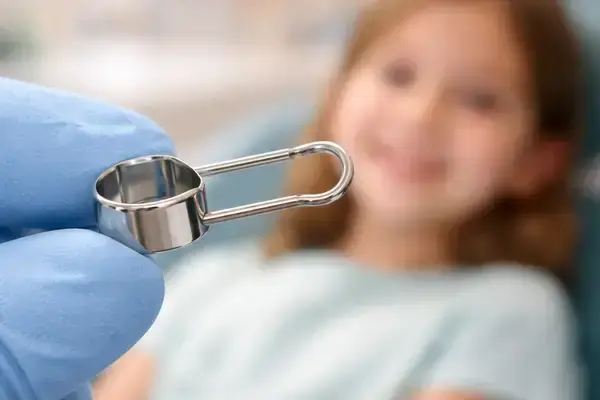
When a baby tooth is pulled before the permanent replacement is ready to come in (typically more than 6 months away), the surrounding teeth can drift into the gap. That shifting leads to crowding, bite problems, and future orthodontic treatment that runs $3,000 to $6,000 or more.
A space maintainer is a small device that holds the gap open until the permanent tooth erupts. It costs around $200 to $500 and prevents thousands in downstream bills. Not every extraction requires one, but your pediatric dentist should bring it up. If they don't, ask. This is one area where a team experienced in pediatric dental SEO and patient education would tell any practice to lead with this information upfront, because parents almost never know to ask on their own.

Child Tooth Extraction Recovery at Mini Miners Pediatric Dentistry
Child tooth extraction recovery goes smoothly when the procedure is done right and parents know what to expect. At Mini Miners Pediatric Dentistry, we walk families through every step, from pre-extraction prep to the day your child is fully healed.
If your child needs an extraction or you're concerned about a tooth that looks like it might need one, reach out to schedule a visit. Our offices make sure the process is as easy on your family as possible.
FAQs
How soon can my child go back to school after a tooth extraction?
Most children return to school within 1 to 2 days after a baby tooth extraction. Permanent tooth extractions may require 2 to 3 days of rest. Pediatric clinics report a typical return-to-school range of 1 to 3 days depending on the complexity of the procedure and the child's comfort level.
Is dry socket possible in children?
Dry socket is very rare after baby tooth extractions but can occur with permanent teeth, typically between days 3 and 5. It happens when the blood clot at the extraction site dislodges too early. Symptoms include throbbing pain that worsens instead of improving. If you suspect dry socket, call your pediatric dentist right away.
How much does a child tooth extraction cost without insurance?
A simple baby tooth extraction averages $75 to $300 per tooth nationally. Surgical or permanent tooth extractions range from $180 to $550 or more, according to Forbes Advisor (January 2025). Costs vary based on sedation type, geographic location, and whether you see a pediatric specialist or general dentist.
What pain medicine is safe for kids after a tooth extraction?
Children's ibuprofen and acetaminophen are the standard recommendations for post-extraction pain in kids. Your pediatric dentist will advise dosing based on your child's age and weight. Avoid aspirin entirely, as it can thin the blood and increase bleeding at the extraction site.
Does my child need a space maintainer after losing a baby tooth early?
If the permanent tooth is more than 6 months from erupting, a space maintainer is often recommended. It costs around $200 to $500 and prevents the surrounding teeth from shifting into the gap. Without one, orthodontic correction later can cost $3,000 to $6,000 or more. Ask your dentist about this at the extraction appointment.
How long does numbness last after a child's tooth extraction?
Numbness from local anesthesia typically lasts 2 to 4 hours after the procedure, per AAPD guidelines. During this time, watch your child closely to prevent them from biting their lips, tongue, or cheeks. This is the most common source of post-extraction discomfort that has nothing to do with the extraction itself.
When can my child eat normal food after a tooth extraction?
Stick to soft, cool foods like yogurt, applesauce, and mashed potatoes for the first 24 hours. Most children can start reintroducing softer regular foods by day 2 or 3. Avoid crunchy, spicy, or hot foods for at least 48 hours, and skip straws entirely until the extraction site has healed.


Comments