How Do I Know If My Child Has Gum Disease?
Updated: May 7
Written By: Logan Grover, Health Content Writer |
Reviewed By: Dr. Alison Grover, Board-Certified Diplomate Pediatric Dentist |
Last Reviewed: April 29, 2026 |
Your child's gums are bleeding when they brush, and you're not sure if that's normal or a real problem. In most cases, bleeding gums in kids signal gingivitis, the earliest and most treatable form of gum disease in children. A 2025 systematic review of 12 studies found that gingivitis affects anywhere from 20% to over 90% of children and adolescents, depending on age and diagnostic criteria. It tells you something most dental websites won't say plainly: this condition is far more common than parents expect, and nobody catches it until a dentist points it out.
Gum disease in children is an infection or inflammation of the tissue surrounding the teeth, most commonly triggered by plaque buildup along the gum line. In kids, it nearly always starts as gingivitis and is reversible with proper care. Left untreated, it can progress to periodontitis, a more serious condition that damages bone. The good news? Catching it early keeps treatment simple and affordable.

What Gum Disease in Children Really Means
Most parents hear "gum disease" and picture an adult problem. It's not. Gingivitis can show up as early as age two or three, and it doesn't discriminate between baby teeth and permanent teeth. The condition starts when plaque (a sticky film of bacteria) builds up where the gum meets the tooth. Your child's immune system responds with inflammation, and that's where the visible symptoms begin.
The tricky part is that gum disease in kids doesn't usually hurt. Your child won't complain about it the way they'd flag a toothache. Gingivitis is often painless, which means it can quietly worsen for months before anyone notices. I've seen families come in for a routine pediatric dental cleaning and be shocked when we flag early gum inflammation their child never mentioned.

Early Warning Signs of Gum Disease in Kids
Knowing what to look for makes a huge difference.
Gums That Bleed During Brushing
This is the single most common early sign. If your child spits pink or red after brushing or flossing, don't ignore it. A lot of parents assume bleeding means their child is brushing too hard. Sometimes that's true. But if the bleeding keeps happening for more than a week, it's almost always gum inflammation, not technique. CDC oral health data suggests roughly 60% of 15-year-olds show signs of bleeding gums. That's not a small number.
Red, Puffy, or Tender Tissue
Healthy gums are pink and firm. They don't look swollen, and they don't feel sore when touched. If your child's gums appear dark pink or red, especially along the gum line near the base of the teeth, that puffiness is the body's inflammatory response to bacterial buildup.
Compare the gum tissue near the front teeth to the tissue further back. A noticeable color difference is worth a dental check.

Bad Breath That Won't Quit
Every kid has bad morning breath. That's normal. What isn't normal is persistent bad breath that sticks around after brushing. When bacteria accumulate below the gum line, they produce sulfur compounds that cause a sour, metallic smell. If your child's breath stays off even with good brushing habits, the gums are likely the source, not the stomach.
Gums Pulling Away from Teeth
This one is more advanced. When gum tissue recedes, teeth look longer than usual, or you can see more of the tooth root than before. In children, recession is uncommon but serious. It typically means gum disease has been active for a while and needs professional treatment right away.
Sensitivity or Loose Teeth
If your child winces at cold water or hot food, or if a permanent tooth feels slightly loose, gum disease could be the cause. Sensitivity alone doesn't confirm gum problems (early tooth decay and enamel wear are also possibilities), but combined with any of the signs above, it's a strong signal.

Why Do Some Kids Get Gum Disease More Than Others?
Not every child who skips flossing for a week ends up with gingivitis. Genetics play a role. If you or your partner have a history of gum problems, your child carries a higher baseline risk.
Diet matters more than most parents realize. High-sugar snacks and drinks feed the bacteria that produce plaque. A child who sips on juice boxes throughout the day is creating an ideal environment for gum inflammation, even with decent brushing.
Medical conditions can also shift the equation. Kids with diabetes, immune deficiencies, or those taking certain medications (some ADHD meds reduce saliva flow, for example) face higher susceptibility. The AAPD's 2024 guidelines on periodontal conditions in pediatric patients specifically flag children with special health care needs as a higher-risk group requiring tailored management.
And here's a point most dental articles won't make: "Brush twice a day" isn't enough on its own. I've seen plenty of kids who technically brush twice daily but use terrible technique. They're scrubbing the middle of their teeth and completely missing the gum line, which is where plaque actually causes damage. Two minutes of sloppy brushing is barely better than skipping it.
How a Pediatric Dentist Catches What Parents Miss
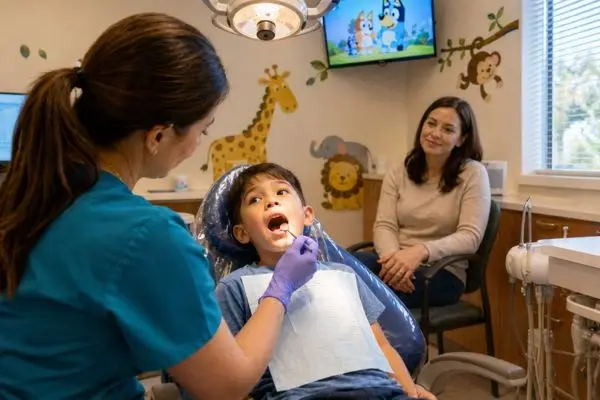
A pediatric dentist's exam goes well beyond what you can see at home. During a routine visit, they'll check for plaque and tartar buildup below the gum line, measure pocket depth around teeth (the gap between the gum and tooth surface), and look for early bone changes on X-rays.
Professional cleanings remove tartar that no amount of home brushing can address. Once plaque hardens into tartar (which happens within 24–72 hours), it bonds to the tooth and needs to be scaled off by a dental professional. A standard pediatric cleaning in Colorado typically runs $75–$150. If your child is covered under Health First Colorado (Medicaid), preventive dental services including cleanings and exams are covered at no additional cost for children 20 and under.
Early detection is where a pediatric dentist earns their value. Catching gingivitis early means reversing it with better home care and one professional cleaning. Missing it means the possibility of scaling and root planing down the road, which costs $169–$352 per quadrant.

Preventing Gum Disease at Home (What Actually Works)
Prevention starts with supervised brushing until your child can tie their own shoes (a good benchmark for the fine motor skills brushing requires). Use a soft-bristled brush, fluoride toothpaste, and focus on the gum line, not just the tooth surface.
Flossing should start as soon as two teeth touch. For younger kids, floss picks are easier to manage than traditional floss. Do it daily. Not "when we remember." Daily.
Limit sugar intake between meals. It's not about banning candy altogether. It's about reducing the frequency of sugar exposure throughout the day. Three pieces of candy after dinner is better for your child's gums than sipping a juice box for two hours straight. Pair that routine with consistent preventive dental care and you're covering the two biggest risk factors.
Schedule dental check-ups every six months. Not just for cleanings, but for professional monitoring that catches what home routines miss. Finding a dental team focused on your child's needs makes that twice-yearly visit count.
When Should You Call a Pediatric Dentist About Your Child's Gums?
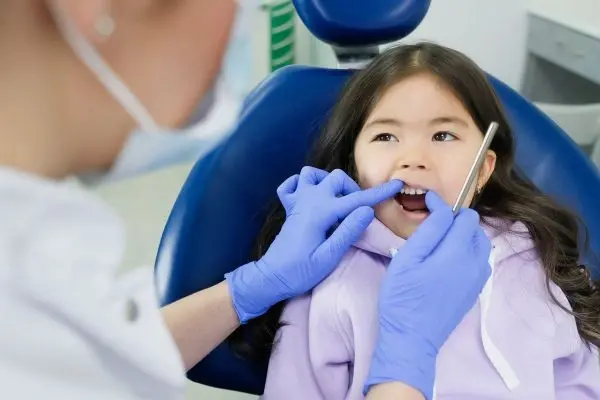
If you see bleeding that lasts more than a week, persistent redness or swelling, bad breath that doesn't improve with brushing, or any sign of gum recession, schedule a visit. Don't wait for your next six-month appointment.
Delaying evaluation until your child complains about pain is one of the most expensive mistakes parents make. By the time gum disease hurts, it's usually progressed well past the easy-fix stage. We've written before about what happens when kids skip dental visits, and gum disease progression is a prime example. Early intervention keeps treatment simple, affordable, and far less stressful for everyone involved.
Keep Your Child's Gums Healthy with Mini Miners Pediatric Dentistry
Gum disease in children is common, but it's one of the most preventable dental problems when families stay on top of early signs and regular check-ups. At Mini Miners Pediatric Dentistry, we focus on catching gum issues early, when they're still easy to reverse, and helping Colorado families build the home care habits that keep problems from returning. If you've noticed bleeding, redness, or anything that doesn't look right in your child's mouth, schedule an appointment so we can take a look and build a plan together.
Frequently Asked Questions
Can babies and toddlers get gum disease?
Yes. Gingivitis can develop as soon as teeth erupt, which for most children happens between 6 and 12 months old. Plaque builds up along the gum line regardless of age. A 2025 review of 12 studies found gingivitis prevalence in children ranges from 20% to over 90% depending on the population and age group studied. Wiping your baby's gums with a damp cloth after feeding and brushing as soon as the first tooth appears are the best early defenses.
Is gum disease in children reversible?
Gingivitis, the early stage, is almost always reversible with improved brushing, daily flossing, and a professional cleaning. Once gum disease progresses to periodontitis (which involves bone loss), the damage becomes harder to undo. That's why catching it early matters so much. Most children with gingivitis can see full improvement within two to four weeks of consistent care.
Does my child's diet affect their gum health?
It does, and more than most parents think. Sugary snacks and drinks feed the bacteria that produce plaque, which is the direct cause of gum inflammation. The frequency of sugar exposure matters more than the total amount. A child who sips juice all afternoon creates more plaque buildup than one who eats a cookie after dinner and brushes before bed.
How often should a child be screened for gum disease?
The AAPD recommends periodontal risk assessment as part of every routine dental exam, which for most children means every six months. Children with diabetes, immune conditions, or a family history of gum disease may need more frequent monitoring. Don't rely on home checks alone since gingivitis is often painless and easy to miss without professional tools.
Does Colorado Medicaid cover gum disease treatment for kids?
Health First Colorado covers preventive dental services for children 20 and under at no additional cost to families. This includes exams, cleanings, fluoride treatments, and X-rays. For more advanced periodontal treatment like scaling and root planing, coverage may vary. Contact your plan or your child's pediatric dentist for specifics on what's included.
Can medications cause gum disease in children?
Certain medications reduce saliva production, which allows bacteria to multiply faster along the gum line. Some ADHD medications, antihistamines, and anti-seizure drugs fall into this category. The AAPD's 2024 updated guidelines flag children with special health care needs or those on long-term medications as a higher-risk group. If your child takes daily medication, mention it at their dental visits so the team can adjust their monitoring plan.
What's the difference between gingivitis and periodontitis in children?
Gingivitis affects only the gum tissue. It causes redness, swelling, and bleeding but doesn't damage bone. Periodontitis goes deeper, attacking the bone and connective tissue that hold teeth in place. In children, periodontitis is rare but can be aggressive when it occurs, sometimes linked to systemic health conditions. A pediatric dentist can measure pocket depth and take X-rays to determine which stage your child is in.


Comments